

Frankfurt runs cloud without a Kubernetes team
The GA guide shows how an authority operates a sovereign platform as a managed service and keeps the code open.
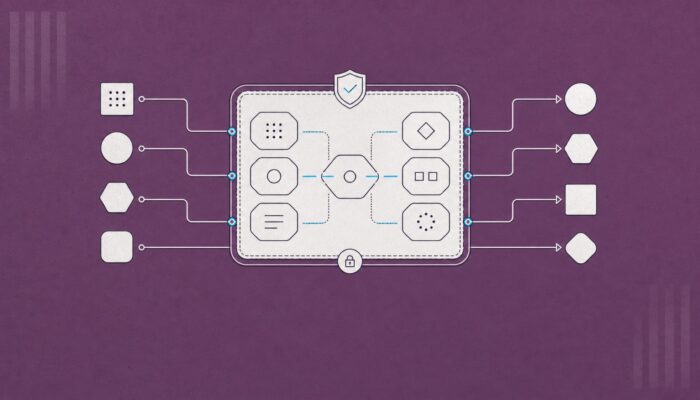
Frankfurt’s Public Health Department runs GA-Lotse, a federated platform for public health applications. The standout feature? The authority uses a sovereign, encrypted platform without needing to build its own Kubernetes specialist team.
Key Takeaways
- Live, not just pilot. According to VSHN, the platform went live three months after the contract was awarded and is now operational across multiple regions in Hesse.
- Clear division of labor. OpenShift runs as a managed service with access control and encryption.
- Code remains reusable. GA-Lotse was published on openCode.de.
Related:BSI C3A: Cloud sovereignty becomes verifiable / Europe’s first exascale supercomputer: who gets access?
Expertise shouldn’t depend on the cluster
Public health offices need digital systems that can handle day-to-day tasks like examinations, scheduling, and inspections. But they don’t need to train their own Kubernetes platform teams to run these systems securely. GA-Lotse separates these two responsibilities.
Frankfurt’s Public Health Department modernized its infrastructure using Red Hat OpenShift as a managed service. The platform is federated, featuring access control and encryption. Red Hat published the case study on July 6, 2026.
Three months to go live
According to the operating partner VSHN, the contract was awarded in August 2024, and the platform went live three months later. This timeline doesn’t replace project analysis, but it shows what happens when hosting, platform operations, and application development aren’t all dumped onto a single overstretched team.
GA-Lotse is now in production across multiple regions in Hesse, supporting applications for school entry examinations and dental screenings, among others.
Managed operations create breathing room
The key takeaway is about responsibility. A managed service doesn’t relieve an authority of architectural decisions or data protection obligations. But it does consolidate the specialized knowledge needed for platform operations, updates, and daily maintenance. This frees up subject-matter teams to focus on the processes they’re actually responsible for.
For many public-sector teams, this approach is more realistic than building an in-house Kubernetes setup. The question isn’t whether containers are technically manageable-it’s which expertise needs to stay on-site long-term and which makes more sense as a clearly defined operational service.
Impact with transparent sourcing
VSHN reports that GA-Lotse supports 7,000 school entry examinations and 45,000 dental screenings annually. These figures describe the processes being digitized-not independently measured productivity metrics. This distinction matters: the case study provides a credible operational narrative, not a one-size-fits-all benchmark for every authority.
The platform replaces paper-based steps in the mentioned applications. However, the available sources don’t allow for a reliable assessment of time savings at individual offices.
Open Source Code Prevents the Next Reboot
GA-Lotse has been published on openCode.de. This allows the solution to be reviewed and reused beyond Frankfurt. Open source code doesn’t solve procurement or operational questions on its own-but it does change the starting point. Other public health authorities no longer have to start from scratch with every platform idea.
The case remains a vendor and partner case study, not an independent benchmark. Yet as a Reboot Germany story, it still delivers by making the operational split visible: expertise, platform operations, and reuse interlock. The Red Hat case study outlines the technical framework.
For other authorities, this creates a pragmatic review sequence. First: Which professional data and roles need to be mapped on the platform? Second: Which operational services can be reliably outsourced to a specialized partner? Third: Which parts of the code and interfaces should remain reusable beyond the initial project? Answering these questions before procurement reduces long-term dependencies.
The advantage of a managed service isn’t blanket relief-it’s transparent accountability. The professional side retains process knowledge and priorities, while platform operations handle recurring technical tasks. Both sides need clear handovers and a robust escalation process when an application falters under load or deviates from expected performance during an update.
Frequently Asked Questions
What is GA-Lotse?
GA-Lotse is a federated platform for public health service applications, operated by the Frankfurt Health Department on Managed OpenShift.
How quickly did the platform go live?
VSHN reports three months between contract award and production launch.
Which processes does it support?
VSHN highlights applications for school entry examinations, dental screenings, and other public health service workflows.
Does an authority need to run Kubernetes itself?
The case demonstrates a managed service approach. The authority retains its professional responsibility while platform operations are handled by specialized teams.
Is the software reusable?
According to VSHN, the code has been published on openCode.de.
Editor’s Picks
cloudmagazinCADA: When Cloud Sovereignty Becomes a Procurement RequirementcloudmagazinBSI C3A: Cloud Sovereignty Becomes AuditablecloudmagazinSoofi S: Sovereign Doesn’t Mean SuperiorMore from the MBF Media Network
MyBusinessFutureInvestment Backlog: How AI Unlocks Hidden BudgetsDigital ChiefsIT Determines Whether the Spin-Off Pays OffSecurityTodayThe AI Act Is Actually a Security LawImage source: AI-generated (July 2026)


