

Sovereign cloud fails at the connection, not at the code
Stack halts data center in Babenhausen: Why AI sovereignty fails due to power and approvals-and what teams are examining.
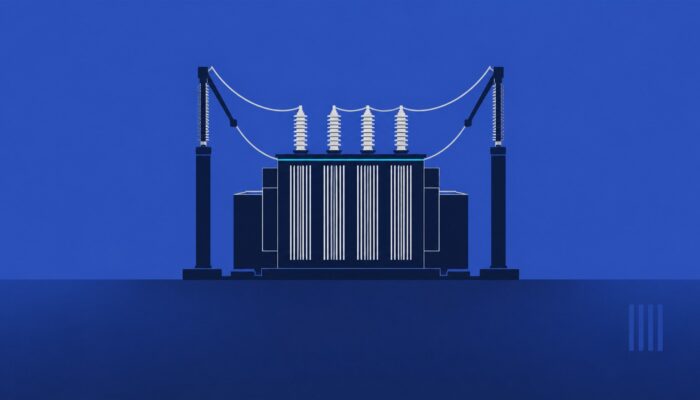
In Babenhausen, Stack Infrastructure has withdrawn from plans to build a data centre on the Aumovio site-officially citing a “lengthy and uncertain approval process.” The case is no local drama. It exposes the harsh bottleneck behind every AI and sovereign-cloud strategy: without secured connectivity, cooling infrastructure, and zoning approval, sovereignty remains a slide deck.
Key Takeaways
- Exemplar case, not an exception. When an investor pulls out because procedures and political signals remain unclear, it’s not marketing that fails-it’s the physical layer of the cloud.
- Demand and grid diverge. Europe is pushing sovereign cloud IaaS aggressively; at the same time, demands for power, water, waste-heat reuse, and municipal benefit are rising.
- Operator takeaway. If you’re planning “local” or “sovereign,” you need multi-region fallback, honest lead-times, and tough site questions-or the strategy is just tenant-level window dressing.
Related:When the data centre breathes with the power grid / Sovereign Cloud doesn’t end at the server rack
What really collapsed in Babenhausen
Aumovio confirmed to Hessischer Rundfunk that current plans for a data centre on the former Continental site have been scrapped. Stack Infrastructure, a US colocation and hyperscale player, is exiting. Aumovio blames the “lengthy and uncertain process,” which prevents reliable execution. The plot is familiar across German municipalities: brownfield revival, digital anchor hopes, and a tug-of-war over benefits and burdens.
Mayor Dominik Stadler (independent) cites two drivers: what he sees as an unjustified CDU demand for a €250 million guarantee, and the political signal that a data centre is not welcome locally. The ruling CDU–Free Voters majority fires back with transparency and benefit questions: cooling water, energy supply, renewable share, waste-heat utilisation, noise, and contributions to municipal infrastructure. This is no beer-hall debate. These are precisely the variables that can make or break a modern data-centre project in Germany in 2026.
For cloud teams the lesson is unsentimental: capacity does not live in a hyperscaler’s slide deck. It materialises only when transformers, water rights, zoning, and political consensus align. Miss one, and the “region” stays a pin on a map-while workloads land elsewhere, often outside the hoped-for jurisdiction.
The Paradox: Demanding Sovereignty, Blocking Locations
In the same week that municipalities argue over water and guarantee certificates, demand for sovereign cloud infrastructure is surging across Europe. Gartner projects European spending on sovereign-cloud IaaS to rise by around 83 percent in 2026 compared with 2025, with total expenditure roughly tripling by 2027 relative to 2025. This is not a sentiment gauge. It is procurement shifting structurally-driven by data-residency rules, public tenders, and regulated sectors.
Meanwhile, announcements are booming: AI campuses, GPU clusters, “sovereign” zones from the hyperscalers, industrial AI clouds. On X and in specialist debate, the picture that emerges is one pragmatic architects already know: lots of construction-site rhetoric, tight networks, scarce land, and protracted approvals. Digital sovereignty sounds like tenant contracts, certificates, and EU law. Operationally, it often ends at the substation and the municipal heat plan.
The paradox is therefore not moral but physical. If you want more inference and more training in Europe, you need megawatts, cooling loops, and neighbors willing to live with the deal. If you simultaneously overload every project with maximal demands without predictable procedures, you export capacity-and import dependency right back via the cloud bill.
What Municipalities and the EnEfG Actually Require
The points laid out in the Babenhausen key-policy paper are no local exception. They reflect the nationwide framework. Germany’s Energy Efficiency Act (EnEfG) obliges new data centers coming online after July 2026 to meet tough efficiency and waste-heat targets: ambitious PUE mandates and tiered shares of reused heat (Energy Reuse Factor) that rise over subsequent years. At the same time, expectations for renewable power and integration into local heat planning are climbing.
For operators, that means a data center is no longer just an IT building; it is an energy and heat actor. For municipalities, it means every siting effort becomes a conflict without a clear cooling and waste-heat concept, grid information, and demonstrable local benefit. For cloud buyers, it means “low-latency Frankfurt” or “AI Campus XY” are promises until the physical contracts and permits are signed-and often lag years behind the marketing.
So when you buy sovereignty through location, you are implicitly buying political and grid risk. That is legitimate. It just has to be baked into the architecture and the business case, not merely into the sustainability veneer.
What this means in concrete terms for cloud teams
The right response isn’t cynicism (“they’ll just build it somewhere else”). The right response is a stricter planning framework. Three layers separate:
1. Procurement. Sovereign and local offers from hyperscalers and European colocation providers remain relevant-especially for regulated workloads. But the contract must cover exit terms, data residency, support jurisdiction, and the actual availability zone. “Operated in the EU” is not the same as “reliably scalable at this specific latency and legal location.”
2. Architecture. Multi-region and multi-provider setups aren’t a trend; they’re insurance against site outages and approval bottlenecks. Active-active patterns for critical paths, clear RPO/RTO, tested failover-and the honest question of which AI workloads actually need local GPUs and which can run asynchronously in more distant regions.
3. Site due diligence. Before budget flows into “own” or “partnered” capacity, seven questions need to be on the table-no slide-deck romance allowed.
- Sovereign and local capacity remains strategically valuable for regulated data and low latency
- EnEfG and heat-planning make good sites more predictable-if municipalities play along
- Multi-region design absorbs the failure of individual projects
- Approval and network lead times remain the blind spot in many AI roadmaps
- Municipal overreach without clear procedures exports capacity
- Marketing regions are no guarantee of availability
Seven site questions before the next “local” build
This checklist belongs in every architecture and procurement review the moment “DACH-only,” “sovereign,” or “own GPU floor space” appears in the requirements:
- Power grid: Is there a written confirmation from the grid operator on available capacity and timeline-including redundancy?
- Water and cooling: Which cooling concept is approval-ready? What happens in drought or stricter regulatory scenarios?
- Waste heat: Is there a real off-taker (district heating, industry) with a contract-or only a letter of intent?
- Zoning plan: What stage has the land-use plan reached? How long did comparable procedures take in the region?
- Political risk: Which majorities and maximum demands (guarantees, infrastructure contributions) hinge on the project?
- Workload fit: Which applications truly need this zone-and which run with acceptable latency elsewhere?
- Exit: If the site fails: which region hosts the tested fallback? Who pays for the failover drill?
Anyone who can’t answer these seven points isn’t buying sovereignty. They’re buying hope with a cloud label.
Verdict: Sovereignty Starts at the Transformer
Babenhausen is the latest proof-not the only one. The cloud industry can iterate models and tenant isolation in months. Transformers, water rights and zoning plans take years-and a municipality willing to see the deal through. As long as Germany touts AI and sovereign-cloud ambitions while letting physical projects drown in uncertainty, the strategic edge stays where power and processes are predictable.
For practitioners that means: keep debating tenants and certificates-and, in parallel, manage the ugly layer beneath. Multi-region isn’t an admission of weakness. It’s the only honest answer to a country that wants digital autonomy yet is still negotiating the handoff.
// Definition
What is a data-centre site risk? The risk that planned data-centre capacity (colocation, hyperscale region, AI campus) fails to go live on time-or at all-despite demand and financing, because grid connection, cooling, waste-heat utilisation, zoning or municipal conditions collapse. For cloud architectures it is an availability and jurisdiction risk, not merely a real-estate problem.
Frequently Asked Questions
What exactly failed in Babenhausen?
Stack Infrastructure is pulling out of the planned data centre on the Aumovio site (formerly Continental). Aumovio cites the drawn-out, uncertain process as the reason. The town hall and ruling majority are trading blame-over guarantees, transparency and constraints on water, energy and waste heat.
What is a data-centre site risk?
The risk that capacity, despite financing and demand, never materialises on schedule because physical and political prerequisites are missing: grid, cooling, waste-heat utilisation, zoning, local majorities. For IT teams it is a planning and failover issue, not just a site-marketing talking point.
Why is sovereign cloud still growing so fast?
Because regulated sectors, public-sector buyers and many corporates are buying data-residency, jurisdiction and control promises. Gartner projects European sovereign-cloud IaaS to rise by about 83 % in 2026 versus 2025 and roughly triple from the 2025 level by 2027. Demand and physical construction timelines are not marching in lockstep.
What does Germany’s Energy Efficiency Act change for new data centres?
New facilities going live from July 2026 must meet stricter efficiency and waste-heat rules (including ambitious PUE targets and tiered shares of recovered heat). That tightens the coupling to real heat off-takers and municipal energy planning-exactly the flashpoints that ignite local conflicts like the one in Babenhausen.
What should cloud and platform teams do now?
Keep leveraging sovereign and local options where compliance and latency demand it-but pair them with multi-region fallbacks, honest lead times and a written site due-diligence (grid, water, waste heat, processes, politics, workload fit, exit). “Marketing region live” is no substitute for tested failover.
Editor’s Reading Picks
- When the data centre breathes in sync with the power grid
- Sovereign cloud isn’t bound by server location
- EnEfG amendment relaxes PUE limits for data centres
More from the MBF Media Network
MyBusinessFutureWhen a German AI model actually pays offDigital ChiefsSovereign AI: responsibility stays in-houseSecurityTodayWhat is KRITIS? Operators, obligations and thresholdsImage source: AI-generated (July 2026)


