

Brussels clears Infineon plant in Dresden
Brussels allows Germany to support the construction of an Infineon chip factory with almost one billion euros.
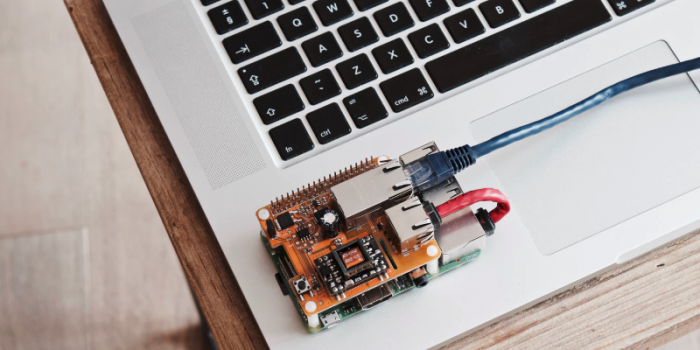
To bring chip production to Europe, the EU Commission allows the German Federal Government to support the construction of a new Infineon plant in Dresden with almost one billion euros.
The most important facts at a glance
- The EU allows Germany to support Infineon with €920 million for a new chip plant in Dresden.
- The plant strengthens European supply security and technological autonomy in semiconductors.
- Infineon is expanding its existing plant in Dresden, which has been in operation since 1994.
- The total costs of the plant expansion amount to around €5 billion, with production starting in 2026.
- The chips are primarily used in the automotive industry and renewable energy for digitalization and decarbonization.
The EU’s strict competition rules prohibit its member countries from subsidizing individual companies with state subsidies. However, to strengthen chip production in Europe and redirect market shares from Far East, the EU Commission has now allowed the German Federal Government to support the construction of a chip plant by Infineon with €920 million.
The semiconductor manufacturer, which has developed into a globally recognized player over 25 years since its spin-off from Siemens in 1999, will be able to complete a project that enables the production of a wide range of chips. The production site in Dresden also includes an existing chip plant of the semiconductor group.
Autonomous chip supply as a goal
The new plant is intended to equip the EU with flexible production capacities and thus strengthen Europe’s supply security, resilience, and technological autonomy in the field of semiconductors. The Commission’s goal is to multiply European chip production.
According to Infineon, the total cost of the plant expansion, which is scheduled to start production in 2026, will be around €5 billion. The new part of the chip plant in Dresden will primarily serve the production of semiconductors for decarbonization and digitalization, particularly in the automotive industry and the field of renewable energy.
Infineon has been operating a semiconductor production facility in Dresden since 1994 and, according to its own information, employs around 3,900 people in both existing production lines for 200- and 300-mm wafers (silicon wafers) and produces over 400 different products. The Saxon state capital is thus Infineon’s largest location in Germany.
Frequently Asked Questions
Why is Germany allowed to support Infineon with state funds?
The EU Commission approves the €920 million funding to strengthen chip production in Europe and increase supply security. Normally, EU rules prohibit such state aid.
What is the EU’s goal with the funding of the Infineon plant?
The EU wants to multiply its own chip production and become more independent of imports from Far East. The plant is intended to strengthen Europe’s technological autonomy and resilience.
Where is the new Infineon chip plant located?
The new plant is being built in Dresden and complements the company’s existing production facilities. Dresden is Infineon’s largest location in Germany.
What are the chips produced in Dresden mainly used for?
The semiconductors are primarily used in the automotive industry and renewable energy. They support decarbonization and digitalization in Europe.
When is production scheduled to start in the expanded plant and how expensive is the project?
Production start in the expanded plant is planned for 2026. The total costs of the expansion amount to around €5 billion.
Editor's Picks
cloudmagazinAPI-First: Why Modern Cloud Architectures Stand or Fall on API DesigncloudmagazinPretext: Does a JavaScript Library Solve the 30-Year Problem in the Browser – or is it Just Hype?cloudmagazinAWS vs. Azure vs. Google Cloud 2026: The Honest Comparison for DACH CompaniesMore from the MBF Media Network
SecurityToday | MyBusinessFuture | Digital Chiefs
Source of title image: Pexels / Pixabay
Translated from the German original using artificial intelligence. The German version is authoritative.


