

Finland Harnesses Data Center Waste Heat for the Energy Transition
Waste heat from data centers is often lost and can burden the environment – for example, when discharged into rivers. Finland takes a different approach: it captures this waste heat within a …
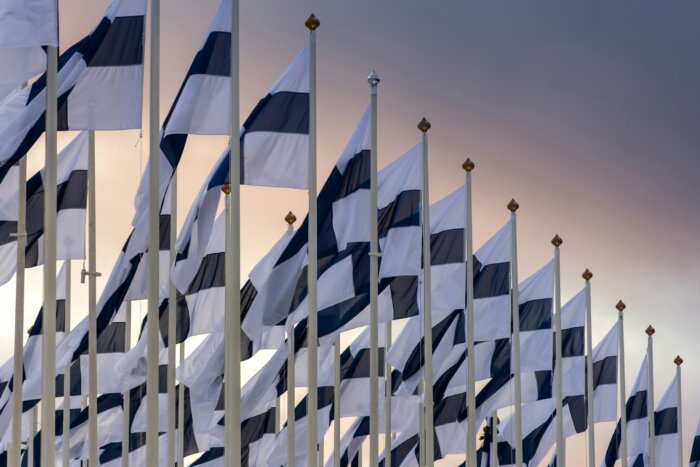
Waste heat from data centers is often lost and can burden the environment – for example, when discharged into rivers. Finland takes a different approach: it captures this waste heat within a closed-loop system to generate both electricity and district heating. As a welcome side effect, households pay significantly less for their energy.
Given rising global temperatures, everyone agrees that an energy transition is urgently needed – but the path forward remains unclear, at least in Germany. While many German initiatives on this topic end in disputes and innovations rarely progress beyond isolated pilot projects, other countries are already further ahead. Finland, for instance, relies on a closed-loop circular model to repurpose waste heat from data centers for electricity generation and district heating.
Waste Heat Is Not Waste

In Finland, waste heat from data centers is treated as a valuable energy source to produce electricity and heat cost-effectively. (Image source: Unsplash / Christina @ wocintechchat.com)
“Waste heat is not energy waste – it’s a valuable resource. Its consistent utilization is not only ecologically essential but also a decisive factor for economic efficiency and competitiveness in the energy transition,” quotes Computerwoche Helmi-Nelli Körkkö, Senior Advisor at Business Finland. According to Business Finland, Finnish households pay just 4.6 cents per kilowatt-hour for electricity. In contrast, German households consuming 4,000 kWh annually pay an average of 36.51 cents per kilowatt-hour, according to a Verivox comparison.
Unlike Germany, Finland has long moved past the pilot project phase. Starting in July 2026, data centers will be legally required to feed at least 10% of their waste heat into the local energy grid – within a closed-loop system.
Hyperscalers Join the Effort in Finland
Nordic countries like Finland attract many data center operators thanks to their cooler climates, which significantly reduce cooling costs. For example, search engine giant Google has built a data center in the southeastern port city of Hamina, which is expected to cover up to 80% of the region’s district heating demand by late 2025.
Microsoft is pursuing a similar strategy and has announced a partnership with energy provider Fortum to use waste heat from its data centers to warm homes and businesses.
Transparency Builds Public Acceptance
Implementing solutions like these requires a highly developed digital infrastructure along with sophisticated control and monitoring systems. “The key lies in intelligently integrating renewable energy, sector coupling through waste heat recovery, and digital control,” explains Helmi-Nelli Körkkö, adding: “This integrated system creates transparency, maximizes efficiency, and demonstrates a viable path for industrialized nations to ensure secure, clean, and cost-effective energy supply.”
AI-powered forecasting tools such as VTT EnergyTeller also play a role – they incorporate weather data to accurately predict energy demand and market trends. According to Business Finland, this approach has already helped reduce emissions from purchased energy in Finland’s manufacturing sector by approximately 45%, while simultaneously boosting production by 43%.
Header Image Source: Unsplash / Joakim Honkasalo
Translated from the German original using artificial intelligence. The German version is authoritative.


