

What the Cilium Upgrade Can Sever in the Cluster
Cilium 1.19 introduces an optional strict mode for node encryption and changes network defaults. Here's what cloud teams need to check before upgrading.
6 min read
Cilium 1.19 introduces an optional strict mode for encryption between cluster nodes. Activating it without verifying the configuration risks silently dropping unencrypted traffic. Ten years after its launch, Cilium delivers a release that primarily hardens security.
Key Takeaways
- Strict mode drops unencrypted traffic: The new, optional strict mode for IPsec and WireGuard discards unencrypted traffic between nodes. A misconfiguration can bring cluster communication to a standstill.
- Policy default changes: Network policies without explicit cluster specifications now only allow local cluster traffic. Multi-cluster setups require a policy review before upgrading.
- Kernel support required: eBPF host routing runs automatically but demands a node kernel with the fix for CVE-2025-37959.
Related:Platform Engineering: What an Internal Developer Platform Stands For / VMware Cloud Foundation 9.1
What Cilium 1.19 Changes Under the Hood
What is Cilium 1.19? The latest major version of the eBPF-based networking and security layer for Kubernetes. Instead of a single headline feature, it hardens encryption, network policies, and scalability. The current stable release is 1.19.5.
Cilium sits as the data path between pods and replaces kube-proxy and iptables rules in many paths with eBPF programs running directly in the Linux kernel. This position makes every release security-relevant: changes to the data path affect every service in the cluster.
On its tenth anniversary, there is no showpiece feature. The focus lies on encryption, clearer policy rules, and scalability for large clusters. Exactly this type of release is tricky in production because the changes are deep and subtle.
The New Strict Mode for Encryption
The most significant change affects encryption between nodes. Cilium 1.19 introduces an optional strict mode for IPsec and WireGuard. Previously, node-to-node encryption was best-effort: what could be encrypted was encrypted, the rest continued in plaintext.
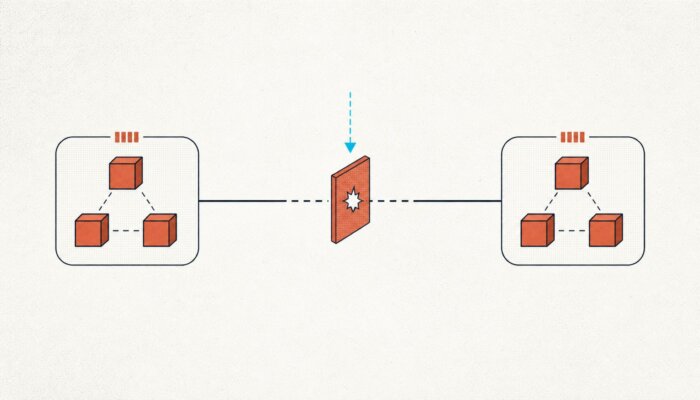
In strict mode, this logic flips. Unencrypted traffic between nodes is dropped. While this is clean from a security standpoint, it’s a trap in operations. Activating the mode while some nodes still fail to correctly negotiate encryption severs their connection.
Best practice: activate first in a staging environment, monitor node-to-node traffic, and ensure all nodes exchange keys cleanly. Only then move to production. A blind strict-mode switch is the fastest route to an outage that’s hard to diagnose.
The policy default that impacts multi-cluster setups
The second silent change lies in the network policies. Previously, a selector without an explicit cluster specification could allow communication across cluster boundaries. Starting with 1.19, the default applies only to the local cluster.
For a single cluster, nothing changes. However, if you operate Cluster Mesh and have policies targeting services in other clusters, you must explicitly define these rules. Otherwise, after the upgrade, they will only apply locally, and cross-cluster connections will fail.
Additionally, there are smaller but practical enhancements. Host firewall rules can now match the VRRP and IGMP protocols. And if a policy rejects a connection, Cilium can return an ICMPv4 message instead of silently dropping the packet. This significantly eases troubleshooting.
| Area | Before 1.19 | From 1.19 |
|---|---|---|
| Node encryption | best-effort, remainder in plaintext | Strict mode drops unencrypted traffic |
| Policy without cluster specification | possible across clusters | local cluster only |
| Multi-Pool IPAM | Beta | stable |
| Workload encryption | sidecar proxy required | Ztunnel beta without sidecar |
Ztunnel and Multi-Pool IPAM
Two more features are relevant for platform teams. Cilium 1.19 introduces a beta integration of Ztunnel. This allows TCP connections between workloads to be transparently encrypted and authenticated without each pod requiring a sidecar proxy. For teams seeking a service mesh without the sidecar overhead, this is now a path worth testing.
Additionally, Multi-Pool IPAM is now stable. Via the Helm value ipam.mode=multi-pool, you can define different IP pools, and a pod selector automatically chooses the appropriate pool based on labels-without modifying the pod specification. This is helpful wherever IP ranges need to be separated by team or environment.
Pre-upgrade checklist essentials
Cilium 1.19 isn’t a simple click-and-run upgrade. Three factors determine whether it runs smoothly.
- Verify the kernel: eBPF host routing is enabled automatically and requires a node kernel with the fix for CVE-2025-37959. Without the correct kernel, the upgrade will fail.
- Strict mode rollout in stages: Enable encryption in strict mode first in staging, monitor node traffic, then proceed to production. Never deploy as a big-bang change.
- Review policies: For Cluster Mesh, identify and adjust any network policies without explicit cluster specifications before the local default takes effect.
These three steps belong on the pre-upgrade checklist. Skip one, and troubleshooting shifts into the live cluster-where it becomes far more costly.
Frequently Asked Questions
What’s new in Cilium 1.19’s encryption?
Cilium 1.19 introduces an optional Strict Mode for IPsec and WireGuard. When enabled, it drops unencrypted traffic between nodes instead of letting it pass in plaintext as before. This boosts security but requires every node to negotiate keys correctly.
Why could the upgrade affect multi-cluster setups?
Network policies without explicit cluster specifications now apply only to the local cluster starting in 1.19. If you use Cluster Mesh and have rules targeting services in other clusters, you must make those clusters explicit. Otherwise, policies will only work locally after the upgrade.
What kernel requirement applies?
eBPF host routing is automatically enabled in 1.19 and demands a node kernel that includes the fix for CVE-2025-37959. Check every node’s kernel version before upgrading.
What does the Ztunnel integration bring?
The Ztunnel beta encrypts and authenticates TCP connections between workloads transparently, without each pod needing a sidecar proxy. It’s a step toward a lower-overhead service mesh and is available as a beta in 1.19.
Is upgrading to 1.19 worthwhile?
Yes, if security is a priority-encryption and policy behavior become clearer. The effort lies in preparation: kernel versions, staged Strict Mode rollout, and a policy review in multi-cluster environments determine how smoothly the transition goes.
Editor’s Picks
cloudmagazinPlatform or Facade? Taking a hard look at Platform Engineering in 2026cloudmagazinWhy Backstage dominates the IDP market almost single-handedlycloudmagazinCloud Sovereignty in Practice: C5, Data Residency, and Key SovereigntyPredictive Analytics in ERP: How mid-market tech teams will measure customer retention in 2026
Image source: AI-generated (Juli 2026)
Also available in


