

AI Brakes: Amazon and the Regulation of AI Systems
Amazon stops AI data center projects - power shortages, uncertainty, and weak AI demand are the reasons.

Following Microsoft, Amazon has now also halted negotiations for the construction of new AI data centers. The question of whether the AI hype is nearing its end is becoming increasingly urgent. US trade policy appears to be playing a role as well.
Key Takeaways
- Amazon is putting infrastructure projects for new AI data centers on hold, particularly in Europe.
- Amazon’s existing data centers consume nine gigawatts — equivalent to the power needs of 6.5 million German households.
- Microsoft is also pulling back from AI projects as economic returns fall short of expectations.
- Power grids are reaching their limits, severely hampering the expansion of modern AI data centers.
- Trade conflicts and production dependencies on China and Taiwan are further slowing AI investment.
German television is currently running ads for AI PCs from a leading international vendor. These machines are marketed especially for B2B use, promising to handle AI workloads better and faster than conventional computers.
Microsoft pulled the emergency brake first — at least temporarily — and now Amazon is following suit. Amazon Web Services has paused negotiations on international infrastructure projects for new AI data centers, according to reports from two financial institutions and several trade publications. US banks Wells Fargo and TD Cowen cite a report by the online magazine Gizmodo. The cuts reportedly fall hardest on European infrastructure projects.
Power Hunger of 6.5 Million Households
Amazon’s existing data centers have a combined power capacity of nine gigawatts, according to Wells Fargo — enough to supply around 6.5 million households in Germany, as t3n reports. Much like Microsoft, Amazon had planned to expand compute capacity largely through co-location projects with other companies, sharing costs for power, cooling, and infrastructure.
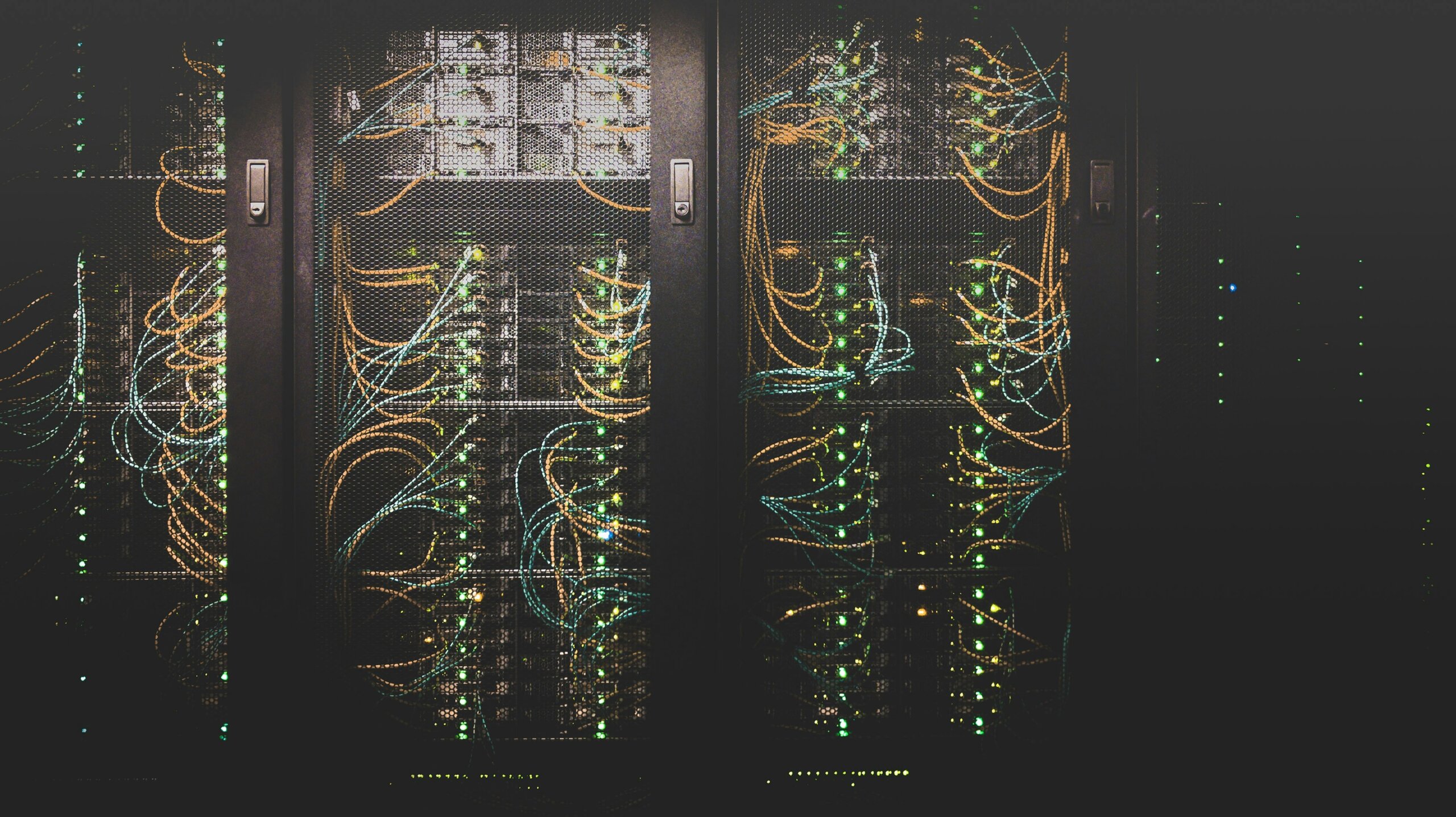
Modern AI data centers like Amazon’s consume electricity on the scale of entire major cities — placing enormous strain on existing grid infrastructure. (Image source: Unsplash / Taylor Vick)
Amazon’s current restraint is seen by analysts as another signal of softening demand for AI compute. Many companies still struggle to monetize artificial intelligence profitably or integrate it meaningfully into their own processes. A further brake on expansion: existing power grids simply cannot keep pace with the rapidly growing energy demands of modern data centers. Microsoft, too, surprised markets just weeks ago by withdrawing from several large projects — in the UK, Indonesia, and Australia, as well as in Ohio — despite announced tax incentives.
Microsoft CEO Satya Nadella attributed the pullback to AI’s economic returns falling short of expectations. Meanwhile, rivals Meta and Elon Musk’s xAI are pressing ahead with their expansion plans.
Trade War Adding Further Drag
The primary casualty of the shelved AI data center expansion plans is graphics chip maker Nvidia, whose stock had already taken a significant hit following the DeepSeek shock after its 2024 surge. Many of the chips and other semiconductor products are manufactured in China and Taiwan. Analysts are already warning that the US trade dispute with the world’s most populous rival — and other parts of the globe — could trigger a global recession and put further brakes on AI investment.
Just how much this development is affecting Amazon and the company’s AI expansion plans will become clear on May 1st, when the latest quarterly figures are released. On the stock market, shares have already shed around 24 percent of their value since the start of the year — a trend that many other tech companies are currently feeling as well.
Frequently Asked Questions
Why is Amazon putting new AI data centers on hold for now?
Amazon has paused negotiations on international infrastructure projects as demand for AI computing power declines. Overloaded power grids and economic uncertainty are also playing a role.
How much power do Amazon’s existing data centers consume?
Amazon’s data centers have a total power capacity of nine gigawatts — equivalent to the average energy needs of around 6.5 million German households.
What role do co-location projects play in expanding AI data centers?
Co-location projects allow shared use of power, cooling, and infrastructure. They are designed to split costs and drive expansion despite limited resources.
Why are existing power grids slowing AI data center expansion?
Modern AI data centers consume as much electricity as major cities. Many grids can no longer reliably meet this demand and are struggling to keep up.
How do trade conflicts affect AI investment?
The US trade dispute with China and other countries threatens the production of AI chips in China and Taiwan. Analysts warn of a global recession and further investment freezes.
Editor’s Picks
cloudmagazinAPI-First: Why Modern Cloud Architectures Stand or Fall on API DesigncloudmagazinPretext: Does a JavaScript Library Solve the Browser’s 30-Year Problem — or Is It Just Hype?cloudmagazinAWS vs. Azure vs. Google Cloud 2026: An Honest Comparison for DACH CompaniesMore from the MBF Media Network
SecurityToday | MyBusinessFuture | Digital Chiefs
Cover image source: Unsplash / Igor Omilaev


