

New Nuclear Plants: Google Turns to Nuclear Power for AI Data Centers
AI data centers consume so much energy that nuclear power – already phased out in Germany – is experiencing a major revival in the U.S. Google is now actively developing new nuclear …
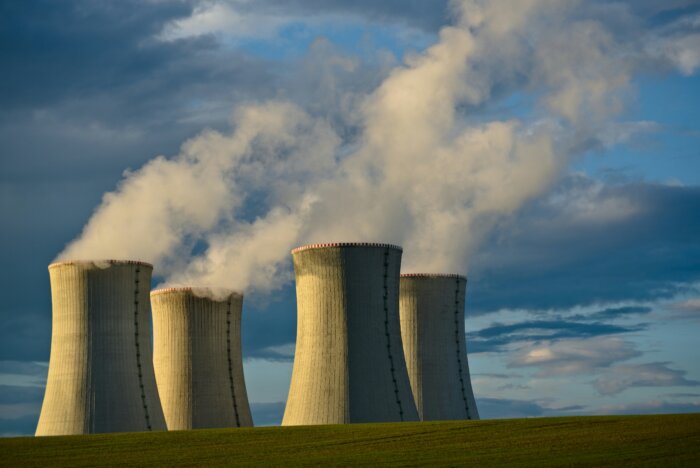
AI data centers consume so much energy that nuclear power – already phased out in Germany – is experiencing a major revival in the U.S. Google is now actively developing new nuclear power plants there.
TL;DR
- Google plans three small nuclear power plants, each with 600 megawatts, to supply AI data centers in the U.S.
- The first SMR reactors are scheduled to go online in 2030, with additional units by 2035.
- Google is partnering with Kairos Power and startup Elementl Power.
- SMRs are considered scalable, emissions-free, and safer than traditional nuclear plants.
- The massive energy demands of AI are pushing hyperscalers toward nuclear rather than renewables.
Nuclear energy is gaining new supporters even in Germany, as it could relatively emission-free meet the rising electricity demand from electric vehicles and artificial intelligence. Aside from safety concerns and the still-unsolved issue of nuclear waste disposal, the cost-benefit calculation looks different on paper. New projects like Hinkley Point C in the UK are costing upwards of €50 billion.
The Trend Is Toward Smaller Nuclear Plants
This hasn’t deterred the U.S. much. The trend there is shifting toward mini nuclear power plants using smaller reactors – so-called SMRs (Small Modular Reactors) – which Alphabet subsidiary Google and other hyperscalers are now eyeing.

Artificial intelligence consumes enormous amounts of energy. That’s why Google is betting on compact nuclear power plants (SMRs) in the U.S. – scalable, emissions-free, and future-ready. (Image source: Unsplash / Paul Hanaoka)
According to Tagesschau, Google signed a contract with Kairos Power in mid-October 2024 to build such small modular nuclear reactors. The first is expected to come online in 2030, with more by 2035, as Google executive Michael Terrell told the Financial Times. But that’s not all: as Heise reports, Google has now also reached an agreement with U.S.-based specialist Elementl Power. Reports indicate the plan involves developing “three advanced nuclear power plants for data-center-proximate locations in the U.S.” The search giant aims to address the soaring energy needs of its own AI data centers this way.
According to a joint statement from both companies, each of the three nuclear plants will have a capacity of 600 megawatts and use the latest reactor technology. Google will provide the initial capital, covering costs for development, site permits, grid interconnection rights, and contractual work.
Nuclear Over Renewables
The exact locations remain confidential. Amanda Peterson Corio, Google’s Global Head of Data Center Energy, only said the planned plants are meant to “strengthen the power grids at our locations.” However, the deal with Elementl Power appears less certain given that the company – founded just in 2022 in North Carolina – has yet to complete any such project or build a nuclear plant.
As Heise further reports, AI’s energy demand is so immense that the U.S. may need up to 50 gigawatts of new power capacity by 2027. Companies like Amazon – which, through its cloud arm AWS, is also pursuing nuclear plans – as well as Meta (Facebook’s parent company), Microsoft, and Google are all exploring new ways to meet this demand.
A key priority for them is avoiding strain on public power grids while tapping into emissions-free energy sources. Nuclear power is favored due to its greater reliability and consistent output.
Frequently Asked Questions
Why is Google choosing nuclear over renewable energy?
Google prefers nuclear power because of its higher reliability and ability to meet the continuous, high energy demands of AI data centers. Renewables are seen as too intermittent for this purpose.
What capacity will the planned nuclear plants have?
Each of the three planned nuclear plants will deliver 600 megawatts, based on modern small modular reactors (SMRs).
Which companies is Google partnering with for its nuclear plans?
Google is collaborating with Kairos Power and Elementl Power, a company founded in 2022. Both specialize in small modular reactors (SMRs).
When will Google’s first SMRs go into operation?
The first SMR project is slated to begin operations in 2030, with additional units coming online by 2035. Exact locations have not yet been disclosed.
Why are SMRs especially attractive to Google?
SMRs are scalable, emissions-free, and can be built closer to data centers. They promise stable power without burdening public grids.
Editor's Picks
cloudmagazinAPI-First: Why modern cloud architectures live or die by API designcloudmagazinPretext: Does a new JavaScript library solve a 30-year browser problem – or is it just hype?cloudmagazinAWS vs. Azure vs. Google Cloud 2026: An honest comparison for DACH businessesMore from the MBF Media Network
SecurityToday | MyBusinessFuture | Digital Chiefs
Header Image Source: Unsplash / Lukáš Lehotský
Translated from the German original using artificial intelligence. The German version is authoritative.


